
Key Takeaways:
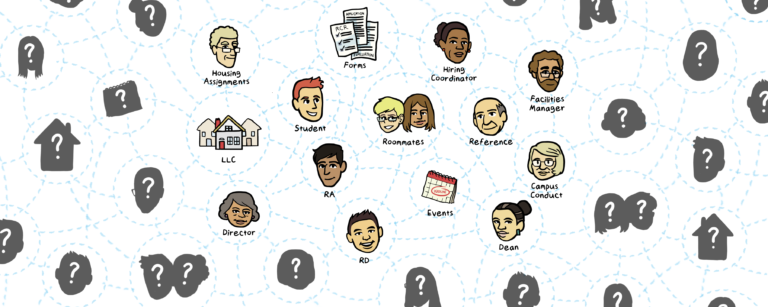
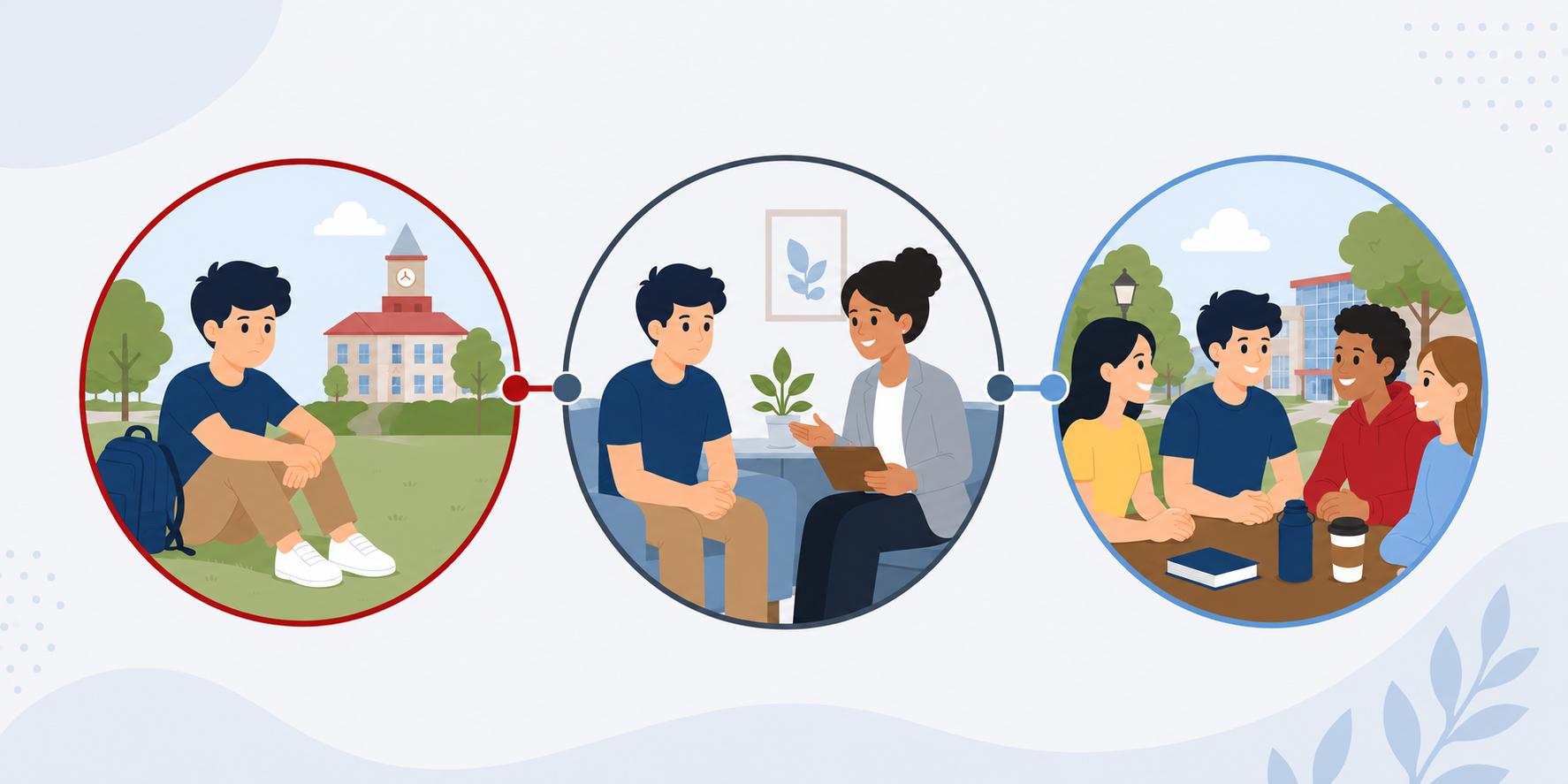
When a student is struggling, the warning signs can appear in different areas of their campus experience. They might have a roommate conflict, miss floor meetings, have frequent lockouts, or withdraw from social life on their floor. Signs of struggle could also extend outside of the residence halls. A student might stop attending campus events, be written up for conduct issues, or have academic violations.
One of these issues might not be concerning, but when a pattern emerges, it could mean the student needs help. The problem is that when these student issues are shared in email chains, files, or platforms that individual departments use, campus staff can’t spot the pattern. This is especially true for students who live off campus and don’t see RAs or residence staff day to day.
Your institution’s departments need visibility into students’ entire experience so staff can collaborate, keep students engaged, and support student wellbeing. When campus staff can see what’s happening across both residence and campus life, they can identify patterns early, and intervene sooner.
What Research Says about Student Belonging and Wellbeing
Research shows that students who feel like they belong on campus are more likely to be engaged, be successful academically, and reach graduation.
A 2025 study defined a sense of belonging as being feeling connected, valued, and respected by the campus community, including staff and students. The study found that students who felt like they belonged had stronger emotional wellbeing, motivation, and academic success and that students who lived off campus were less likely to feel a sense of belonging. A 2022 study found that a sense of belonging could also be a factor in preventing students from burning out academically.
Cornell University’s recent student wellbeing survey even found that students are more likely to seek out help if they feel like they belong to the campus community.
Who Supports Student Wellbeing
A single department on campus doesn’t support student wellbeing. Students interact with many departments during their time on campus, which affect students’ sense of belonging and have the chance to support their wellbeing.
The counseling department speaks with students about mental health or emotional concerns, student affairs coordinates events to create a sense of belonging, and RAs support students in the residence halls feel connected. Departments such as the student union, the university health clinic, the campus police department, or the student employment office also make an impact.
Why a Connected Campus System Supports Student Wellbeing
When student information is spread across different departments and systems, it’s difficult to see what’s happening with the full student experience. Student housing or residence life knows about room change requests, lockouts, or frequent late-night sign-ins. Student affairs keeps track of participation in events, student conduct records, and safety incidents. CARE teams and other departments also keep track of student data.
A connected campus system brings this data together, giving staff members a complete understanding of what is happening with students. Campus departments can document information in one place and collaborate more effectively. Instead of isolated support, your institution can identify patterns and be proactive in helping students.
How eRezLife Helps You Build a Connected Campus
Campus Life, a service from eRezLife, allows you to better manage the student experience whether students live on or off campus. It brings together student and staff interactions available in a single click including communication, student conduct history, student-of-concern details, health visits, event attendance, and more.
Departments across campus such as residence life, campus police, student conduct, counseling services, employment and equity, and student health can collaborate and communicate.
Campus Life also gives you configurable reports with analytics that make it easier to identify patterns, evaluate campus programs, and understand student needs.
When your departments are connected, you’re better equipped to promote student belonging and wellbeing and create a supportive campus.
Welcome to the community. We’re glad you’re here!
Frequently Asked Questions (FAQ)
What is student wellbeing in higher education?
Student wellbeing refers to emotional health, sense of belonging, academic engagement, and social connection. Research has found that a strong sense of belonging leads to better motivation and academic success. Because many factors impact wellbeing, campus departments should collaborate to support students.
How can colleges and universities support student wellbeing?
Colleges and universities can support student wellbeing by giving departments a full view of the student experience so they can spot warning signs early. When residence life, counseling, conduct, health services, campus police, and CARE teams see student information and patterns in one place, they can intervene.
What are warning signs that a student is struggling?
Warning signs show up across campus. A student might have roommate conflicts, miss floor meetings, stop attending events, have conduct issues, or see a counselor. A pattern across several areas is a sign that a student needs help.
How does a connected campus system help students on campus and off-campus?
A connected campus system like eRezLife gives housing and residence life departments, as well as departments across campus visibility into what a student is experiencing. By bringing student data into one place, it makes it easier to identify patterns and understand student needs.