
Oh hey! Welcome to the community.
Every residence life professional has seen it happen. Two students who were besties in high school are suddenly sitting in the RA office after three weeks, convinced they have nothing in common and hate each other. More often than not, the problem isn’t compatibility — it’s communication.
Students arrive on campus with eighteen years of habits, expectations, and assumptions about what sharing a room should look like. They also watch TV and think everyone has the most amazing relationship with their roommate. We all know that’s not true. I can tell you for a fact that my roommate didn’t love me … but we learned to live together. I was unhinged and loved to party and she was extraordinarily focused and studious. We’re not friends and never were, but we had a mutual respect. Neither lifestyle is wrong, but if we didn’t discuss expectations early, we would have killed each other. You and I know this experience is not uncommon.
Start Off Strong
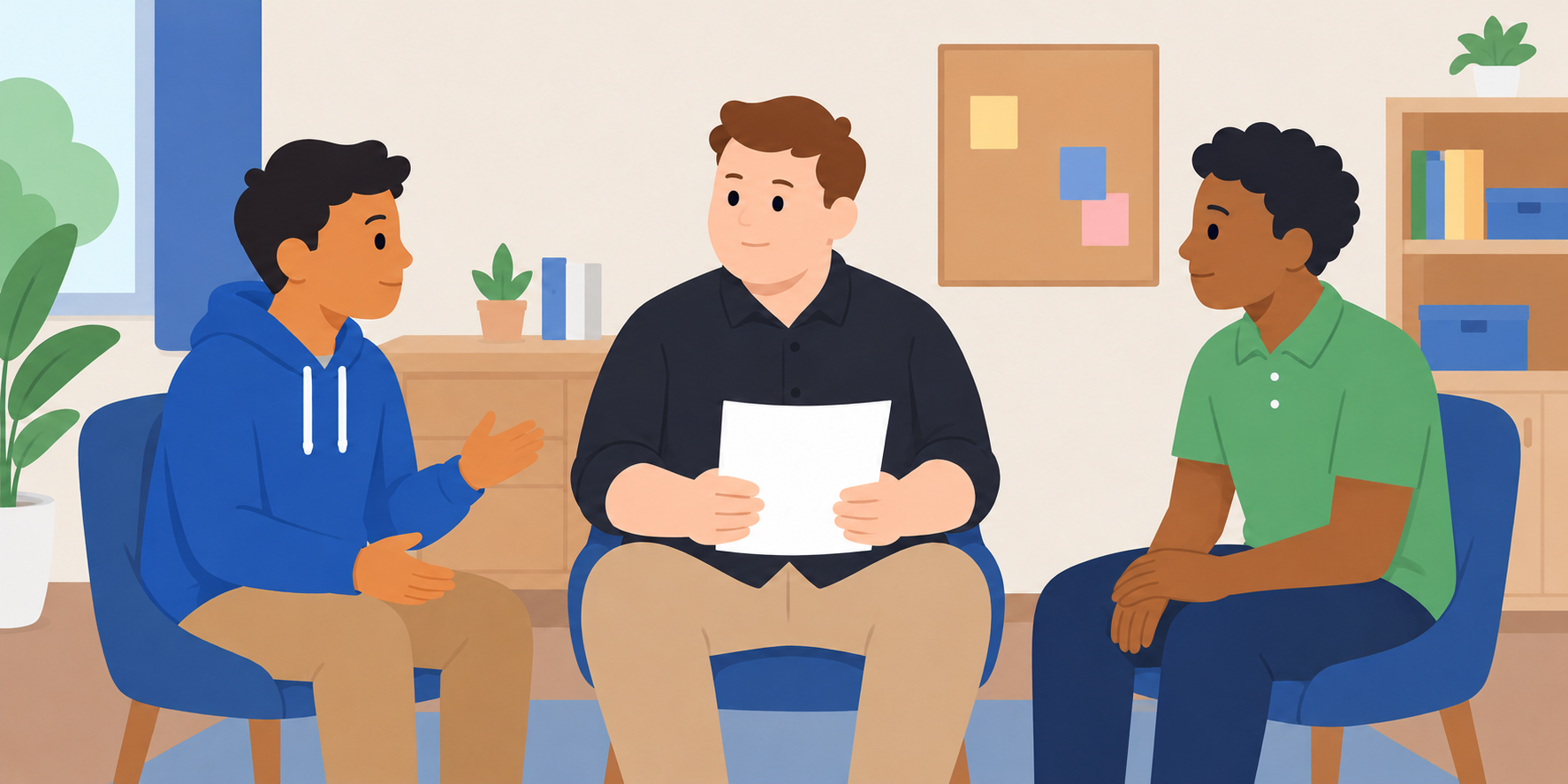
One of my favorite programs from my time in residence life was Roommate Bootcamp at the University of British Columbia. About a week after move-in, every roommate pair in a residence house attended a mandatory one-hour session. We spent the first half doing partner icebreakers that helped roommates relax and actually have to work together. Then we transitioned into a guided roommate agreement discussion while everyone was already engaged. At that time (years ago), we completed the agreements on paper. Today, platforms like eRezLife make it easy for students to complete and revisit roommate agreements online whenever expectations need to be refreshed.
Before diving into expectations, encourage students to verify the information that brought them together. Housing applications are often completed with help from parents, and sometimes those answers don’t fully reflect who the student really is. Ask roommates whether their application still feels accurate and where they may have changed since applying. If students self-selected through Roomeez, ask them what drew them to one another in the first place. Starting with common ground creates a much more positive conversation.
From there, focus on the topics that cause the vast majority of roommate conflicts: sleep schedules, lights-on and lights-off times, visitors, study habits, cleanliness, and sharing belongings. The goal isn’t to get roommates to agree on everything — it’s to help them understand each other’s expectations and find reasonable compromises.
Finally, don’t forget to talk about what happens if things go sideways. Every roommate agreement should answer three simple questions:
- How do we bring up concerns respectfully?
- When should we ask our RA for help?
- What happens if we still can’t resolve the issue?
Agreeing on the process before conflict happens often makes all the difference.
No roommate agreement guarantees lifelong friendships. What it can do is give students the communication skills and shared expectations they need to live together successfully. That’s one of the most valuable things residence life professionals can facilitate during those first few weeks on campus.g. By bringing student data into one place, it makes it easier to identify patterns and understand student needs.
Sample Roommate Bootcamp Agenda (60 Minutes)
0:00–0:10 | Welcome & Why We’re Here
Speaking Notes
- Living with someone is a learned skill.
- This isn’t about finding the “perfect” roommate — it’s about learning how to communicate.
- Today’s goal is to start conversations before problems start.
0:10–0:30 | Partner Icebreakers
Speaking Notes
- Complete 3-4 partner activities designed to get roommates talking and laughing.
- Keep it light and encourage everyone to participate.
- Alphabet soup, Introduce my roommate, and Headlines are three of my favourites. If you want to know how to play these, please email me! [email protected]
0:30–0:50 | Roommate Agreement
Speaking Notes
Guide roommates through each section, encouraging discussion instead of simply checking boxes.
Ask questions like:
- “What does a good night’s sleep look like for you?”
- “When is it okay to have friends over?”
- “How quiet do you need the room to study?”
- “What are you comfortable sharing, if anything?”
- “What does a clean room mean to you?”
Remind students they don’t need identical answers — they just need shared expectations.
0:50–1:00 | When Things Go Sideways
Speaking Notes
Close by asking every roommate pair to answer:
- How will you raise concerns with one another?
- How long will you try to solve a problem together?
- When should you involve your RA?
- How will you revisit this agreement later in the semester if needed?
Leave students with one final reminder: The best roommate relationships aren’t built by avoiding difficult conversations — they’re built by having them early.
Welcome to the community. We’re glad you’re here.